Most Common Summer Pests in New Jersey and How to Stop Them Early
Identify Summer Pests in New Jersey Before They Infest
Early Detection Strategies That Work

Ants
Ants are among the most persistent invaders during warm months. They typically enter homes through the smallest cracks and crevices, drawn by accessible food sources and moisture. In Morris County, the combination of wooded residential areas and humid conditions creates an ideal environment for both nuisance ants and carpenter ants.
Homeowners often notice trails appearing along baseboards, countertops, and windowsills before realizing the full scope of the problem. Carpenter ants pose a particular concern as they excavate wood to build their nests, potentially compromising structural integrity over time.
Why they’re a problem: These insects contaminate food supplies and surfaces. Carpenter ants specifically can cause significant damage to wood framing, decks, and other wooden structures as they hollow out galleries for their colonies.
Early warning signs: Look for consistent trails of ants marching along walls or counters, particularly near kitchens and bathrooms. Small piles of fine sawdust beneath wooden structures indicate carpenter ant activity. You may also notice discarded wings near entry points.
How to stop them early: Maintain cleanliness by wiping down surfaces immediately after food preparation and storing all pantry items in sealed containers. Inspect your home’s exterior for cracks around doors, windows, and foundation areas, sealing any openings with appropriate caulk or weatherstripping. Address moisture problems promptly, including leaky pipes, damp wood, and areas with poor ventilation.
Mosquitoes
Mosquitoes flourish in the warm, humid conditions that characterize summers in northern New Jersey. These biting insects breed rapidly in standing water, with females laying eggs that can hatch within days. What begins as a minor annoyance during evening outdoor activities can quickly escalate into a health concern.
Beyond the irritating bites and constant buzzing, mosquitoes serve as vectors for serious diseases including West Nile virus, which has been documented throughout the region. Properties with mature landscaping, low-lying areas that collect water, and proximity to wooded areas face heightened mosquito activity.
Why they’re a problem: Mosquito bites cause itching, swelling, and discomfort. More significantly, these insects can transmit diseases that pose genuine health risks to families and pets.
Early warning signs: Notice increased mosquito activity around your property during dusk and dawn hours. Standing water accumulating in gutters, plant saucers, bird baths, or low spots in your yard provides breeding grounds.
How to stop them early: Eliminate all sources of standing water on your property, checking gutters weekly, emptying birdbaths every few days, and ensuring proper drainage around your home. Keep grass trimmed short and landscaping well-maintained to reduce resting areas. Professional yard treatments applied at strategic intervals throughout the season provide effective population control.
Ticks
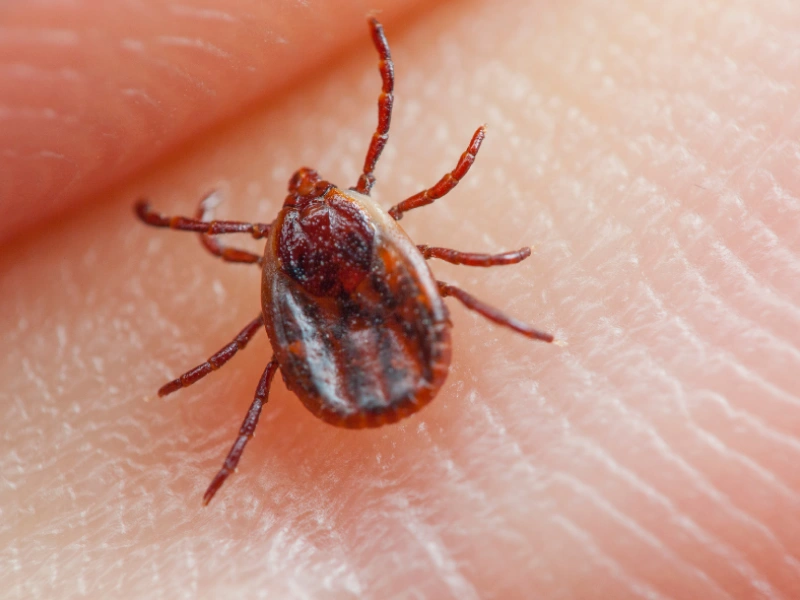
Ticks represent one of the most serious pest threats during warm months. These parasites thrive in tall grass, wooded areas, and overgrown landscaping common throughout residential properties. New Jersey has one of the highest rates of tick-borne diseases in the country, making awareness and prevention essential.
Deer ticks and dog ticks are both prevalent in Morris County. They wait on vegetation for hosts to pass by, then attach themselves to feed. Many homeowners discover ticks on themselves, family members, or pets after spending time outdoors, even in their own yards.
Why they’re a problem: Ticks transmit Lyme disease, Rocky Mountain spotted fever, and other serious illnesses. These diseases can cause long-term health complications if not detected and treated promptly.
Early warning signs: Finding ticks attached to pets or family members after outdoor activities indicates active populations nearby. Increased deer or other wildlife activity near your property often correlates with higher tick numbers.
How to stop them early: Maintain your lawn by keeping grass cut short and removing leaf litter, brush piles, and overgrown vegetation where ticks thrive. Use veterinarian-recommended tick prevention products for all pets. Create clear boundaries between wooded areas and your lawn using mulch or gravel barriers. Regular property treatments during active months significantly reduce tick populations.
Wasps, Bees, and Stinging Insects
Stinging insects become increasingly aggressive as their colonies grow throughout the warm season. Wasps, hornets, yellow jackets, and bees often establish nests near human activity, including under eaves, in attics, within wall voids, or around decks and porches. These locations put families at risk during routine outdoor activities.
While beneficial pollinators serve important ecological functions, nests located too close to living spaces present genuine dangers. Colony populations peak during late summer, corresponding with increased defensive behavior and higher likelihood of stinging incidents.
Why they’re a problem: Stings cause immediate pain, swelling, and discomfort. For individuals with allergies, a single sting can trigger severe reactions requiring emergency medical attention. Aggressive species like yellow jackets may attack in groups when their nest is disturbed.
Early warning signs: Observe increased insect activity around eaves, soffits, and outdoor living spaces. Visible nests forming under roof overhangs, in trees, or within landscape features require immediate attention. Insects repeatedly entering the same location in your home’s exterior suggests a hidden nest inside wall voids or attics.
How to stop them early: Conduct regular inspections of your property, paying close attention to protected areas where nests commonly develop. Keep outdoor food covered during gatherings and clean up spills immediately. Never attempt to remove nests yourself. Professional removal ensures safety and complete elimination of the colony.
Cockroaches and Termites
Cockroaches and termites represent two of the most concerning pest problems homeowners face. Both thrive in warm, humid conditions and can multiply rapidly when left unaddressed. These insects often establish themselves before visible signs appear, making early detection challenging.
Cockroaches gravitate toward kitchens, bathrooms, and basements where moisture and food sources are available. They spread bacteria across surfaces, contaminate food, and trigger allergic reactions and asthma symptoms, particularly in children. German cockroaches and American cockroaches are both common throughout the region.
Termites work silently within walls, floors, and structural timbers, consuming wood from the inside out. By the time homeowners notice damage, colonies may have been feeding for months or years. The humid conditions common in basements and crawl spaces create ideal environments for termite activity.
Why they’re a problem: Cockroaches spread disease-causing bacteria and allergens throughout living spaces. Termites cause substantial structural damage, potentially costing thousands in repairs and threatening property values.
Early warning signs: Cockroach droppings resembling coffee grounds in cabinets, under sinks, or along baseboards indicate active infestations. Musty odors and nighttime sightings suggest established populations. For termites, discarded wings near windows and doors, mud tubes along foundation walls, and hollow-sounding wood signal active colonies.
How to stop them early: Maintain impeccable cleanliness in kitchens, eliminating crumbs and spills immediately and storing all food in airtight containers. Seal cracks and entry points around plumbing, baseboards, and foundations. Reduce moisture by repairing leaks, using dehumidifiers in basements, and ensuring proper ventilation. Schedule regular professional inspections to detect termite activity before significant damage occurs. Keep firewood, mulch, and debris away from your home’s foundation.
When you notice repeated pest activity or recognize early warning signs, professional intervention becomes necessary. Our team at Triple H Pest Services specializes in identifying and eliminating pest problems before they escalate into major infestations. We provide targeted treatments designed specifically for homes throughout Morris County, accounting for seasonal pest patterns and local environmental factors. With extensive experience serving the area, we understand exactly which pests threaten properties during different times of year and implement proven prevention strategies. Our approach focuses on long-term protection rather than temporary fixes, giving you confidence that your home remains protected throughout every season.